It was a Saturday. I was walking outside with a friend when I looked down and saw newspapers on the ground — delivered to every house on the block.
My friend said: oh, look, there are some newspapers here.
I picked one up.
My face was on the front page.
Every house on that street had a newspaper with my face on it. I was standing on the sidewalk looking at myself on every front door.
How does a non-technical founder from San Diego end up on the front page for a voice app she built in five weeks for women in danger?
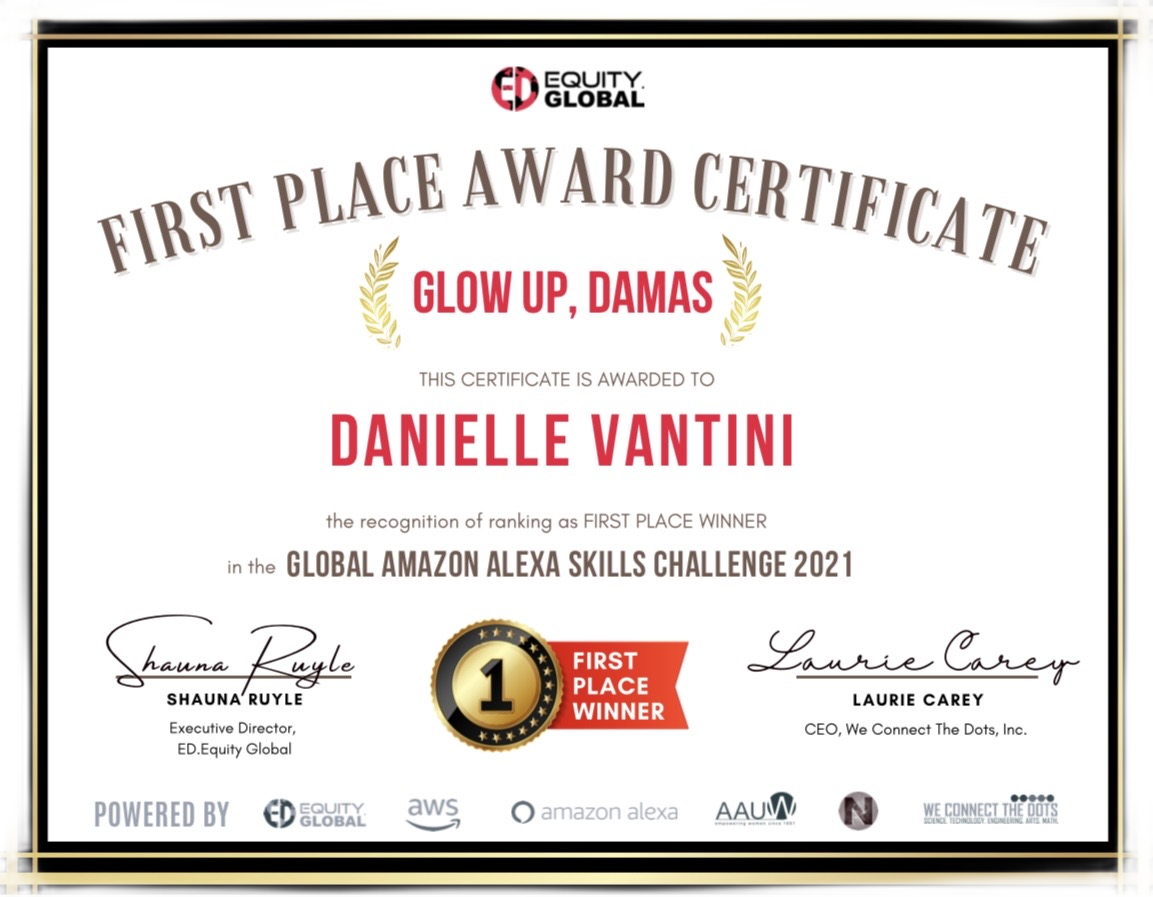
April 22, 2021. First place. Globally.
I want to tell you everything about those five weeks — exactly how they happened, in the order they happened.
Part 1: How I got into the room. (January 2021)
Before the win, before the press, before the Saturday on the sidewalk — there was a five-week training most people never heard of.
It was early 2021. We were still inside COVID. The world had been locked down for nearly a year. The Generative AI era did not exist yet for the masses — there was no easy access, no ChatGPT, no LLMs in your browser. Most people were surviving. Some of us were still building.
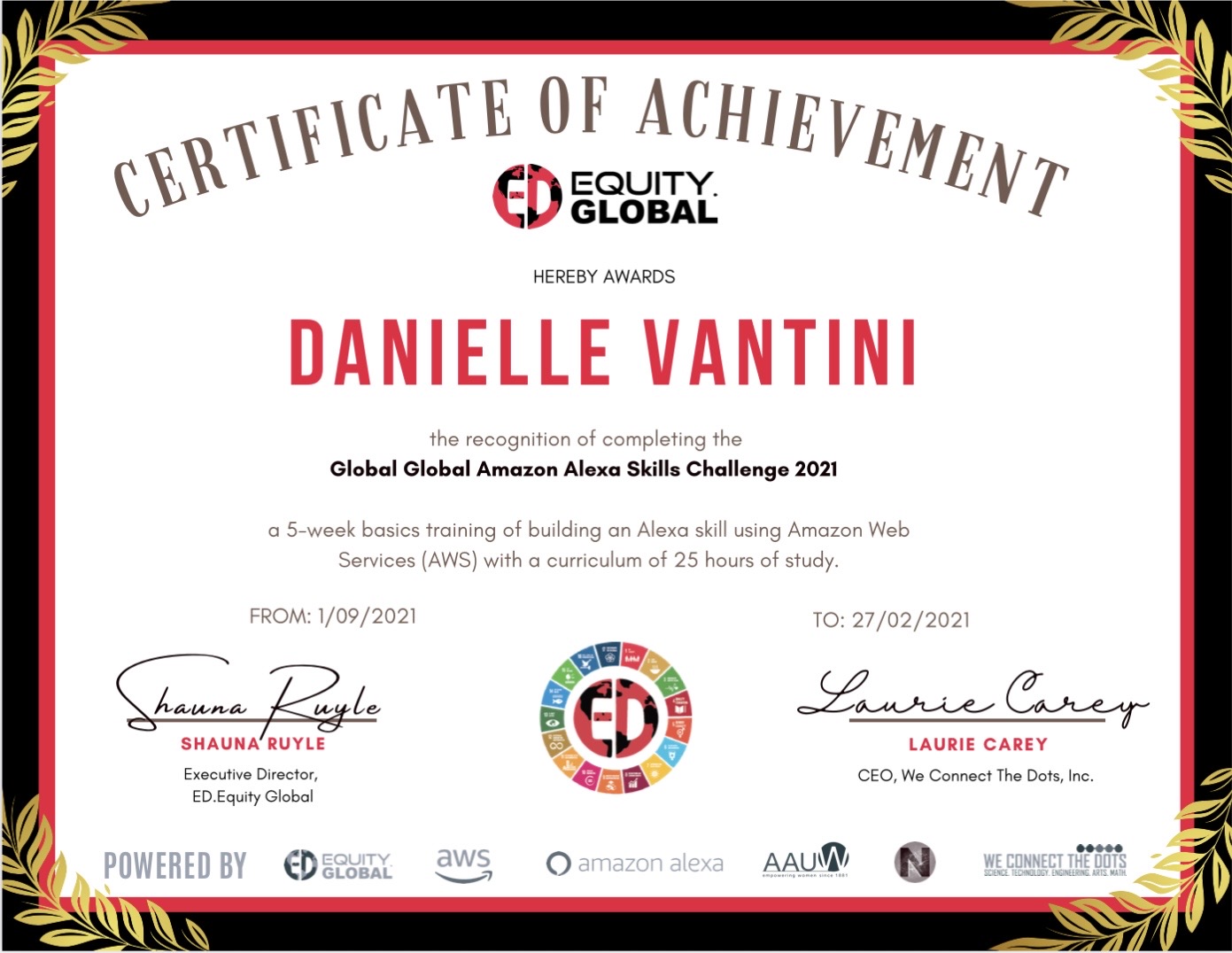
In January 2021, I enrolled in the Global Amazon Alexa Skills Challenge — a five-week foundational-level AI training program run by EDequity.Global, a global coalition of partners advancing cloud education and economic equity for women and BIPOC youth leveraging Amazon Web Services.
The training resulted in Alexa-powered business ideas anchored to the United Nations Sustainable Development Goals — 17 global priorities the UN set for humanity.
Here is what the five weeks actually looked like:
- Over 300 people enrolled in the training
- Three meetings per week, for five weeks
- Learning from zero — how Alexa processed language, what the back end looked like, how a voice skill was actually structured
- At the end, I earned my AWS Certificate of Achievement
Then the competition started after the training.
No engineering degree. No technical background. Just a business, a team, and a pattern I had already learned: if a new technology opens a door, you walk through it before it closes.
I did not know if I belonged in that competition. I entered anyway.
Out of 300+ people in the training, 46 women, marginalized students, and entrepreneurs — from Nigeria, North America, India, Kenya, Brazil, and Mexico — signed up to build something meaningful with Alexa, anchored to one of the UN goals. The best would present at the Global Innovation Summit hosted by San Diego-based EDequity.Global.
I was one of them.
The sponsors and partners of the Global Innovation Summit were not small: AWS, American Association of University Women (AAUW), Google, Netflix, ThingLogix, African Leadership University, De Cero a Ciencia De Datos, California State University Office of the Chancellor, The Basement UCSD, Southwestern College, and more.
The keynote speaker was London J. Bell, J.D., LL.M. — 2020 African Descent Fellow at the U.N. Office of the High Commissioner for Human Rights, Founder and President of Bell Global Justice Institute, and National Council Member of the United Nations Association of the USA.
This was the stage.
Part 2: What we were actually building, and why. (February–March 2021)
Once the training ended and the competition began, I had to decide what to build. The door was open. The question was: for who?
The original idea was not a safety app. It was a therapist.
Women experiencing psychological abuse and mental health challenges had nowhere to turn.
A private therapist was expensive. Inaccessible. Stigmatized. And nothing existed in voice form — available in the home, private, any time, without an appointment, without a co-pay, without explaining yourself to a receptionist.
That was the seed. A free voice-activated therapist, designed specifically for women, to be their support system at a time no one would — because we were still in COVID, and the support systems that did exist were closed.
From there, everything grew. If a woman was already using the app — if she was already in the home, already in a relationship with this tool — what happened when she needed to get out right now? When she could not call? When she could not speak openly? When her abuser was in the next room?
The tampon code was the answer.
The problem, in the numbers.
Sit with these for a second, because the whole build makes sense only after you see them:
- One in four women in the United States had experienced rape, physical violence, or stalking by an intimate partner.
- 94 to 99 percent of domestic violence survivors had also experienced economic abuse.
- COVID made it worse — domestic violence incidents increased 21 to 35 percent during quarantine.
Think about what that means in practice. A woman financially dependent on her abuser has no independent bank account, no car in her name, no way to make a call without being heard. COVID closed the doors she might have used to escape: shelters were at capacity, offices were shut, the outside world had effectively disappeared. She was alone at home. With the problem. With nowhere to go.
We were not building only an app. We were building an exit for struggling women who had none.
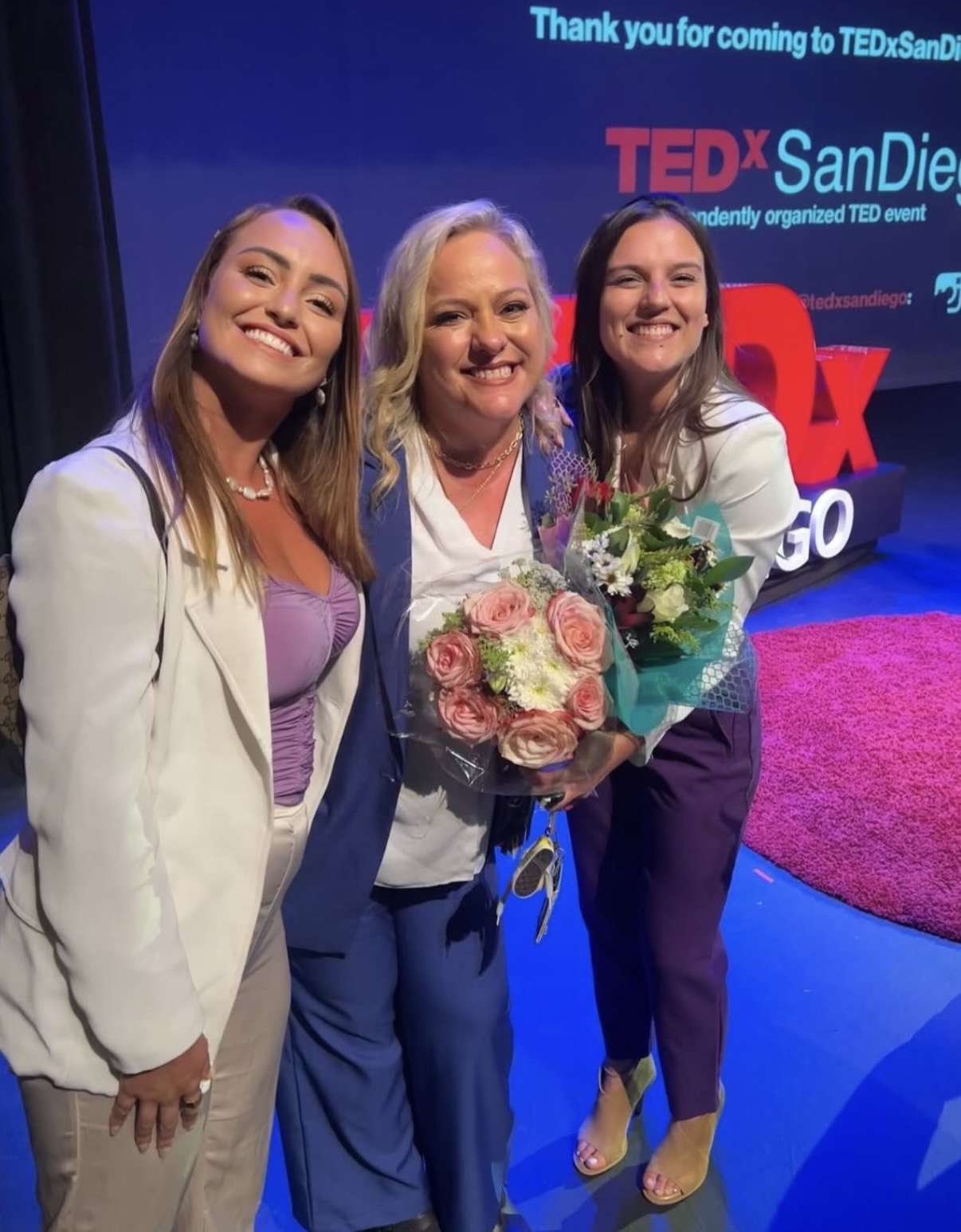
When they announced the winning team and called me, at the winner speech I said it this way:
"Brazil is a very chauvinist country, where every four minutes the police register violence against women and every nine minutes a woman is raped. It is my passion to take this business idea further to make the world more equal for all of us women."
I meant every word.
Why UN Sustainable Development Goal #5 — Gender Equality — was the frame.
EDequity.Global did not just run a voice app competition. They structured the entire challenge around the United Nations Sustainable Development Goals — 17 global priorities the UN set for humanity. Every team had to anchor their work to one of those goals. The judges scored explicitly on how directly each skill addressed its chosen goal.
The esteemed panel of judges included:
- Dr. Silvia Mah — Founder of AdAstra Ventures, Forbes Council Member, angel investor, TED Talks speaker
- Kjell Hegstad — Chief Innovation Officer at CirrusLabs, Co-founder of ING Direct (the most successful U.S. digital bank), TED Talks speaker
- Ruth Stanbridge — Creative Director, Vocala
- Mike Roberts — CEO, Creating Coding Careers
- Dr. Mary Bonk Isaac — Founder of HEDGE Co.
We built Glow Up Damas around Goal #5: Gender Equality — as the actual architecture of what we were solving, not as a box to check. Since I had encountered myself in dangerous situations and experienced sexual harassment in the workplace in Brazil, this goal has always spoken to my heart: being treated with respect and equality. Every feature — the mental wellness support, the covert escape system, the economic independence tools — existed because Goal #5 demanded it. Not as an afterthought. As the foundation.
The escape system. The thing that won.
Every subscriber received a welcome package delivered to her home. Inside: a free tampon. Inside the tampon: a secret code, with instructions on how to use that code with Alexa.
That code activated a covert voice command — a code her abuser would never know to look for, never think to intercept. She spoke the phrase. Alexa retrieved her home address through Amazon's Device Address API — already linked to her Amazon account, no typing, no looking anything up. Alexa then called a free Waymo ride — a self-driving taxi — and got her to safety.
No visible call to make. No explanation required. No moment where she had to ask for help out loud in a room where she was not safe.
Ten percent of every membership funded rides for women who could not pay for one.
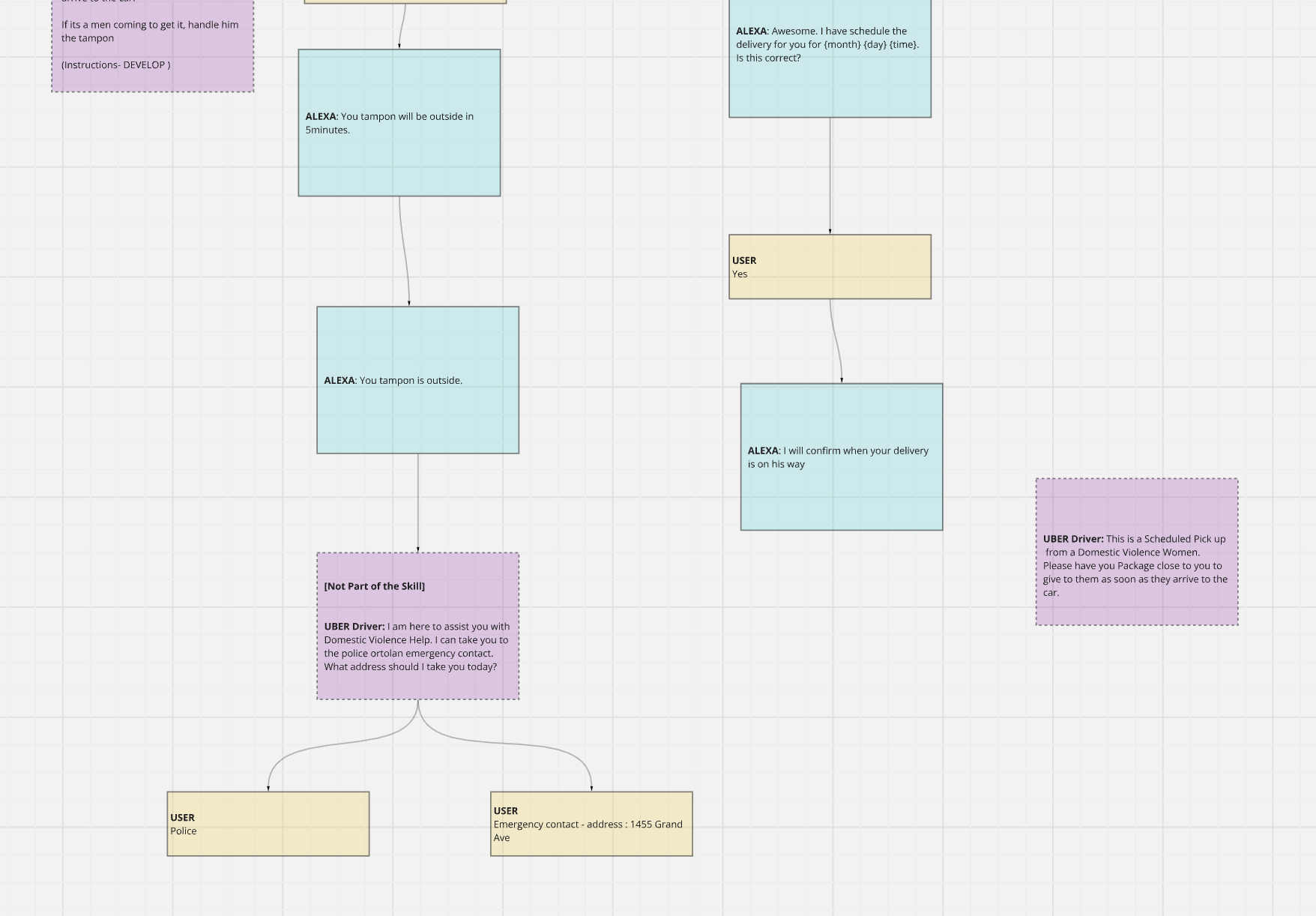
One detail from our design notes stays with me. We planned a message that would go to the driver:
"This is an emergency from a domestic violence survivor. Please have your package ready to give to them the moment they get in the car. If a man comes to pick it up — hand him the tampon."
A note on Waymo: almost nobody had heard of it in early 2021. It was a self-driving car service that barely existed in the public consciousness. We were building with a bleeding-edge API from a company most people had never encountered.
The full app — what it actually did day to day.
The escape system was the thing that won. But Glow Up Damas was built for daily use, not just emergencies. Inside the app:
- Mood check-ins
- Self-care practice
- Calming meditations
- Affirmations
- Resources and education
- Automatic text alerts to a trusted contact if something was wrong
- Direct connection to the YWCA San Diego Becky's House — a 24-hour domestic violence hotline — as the human backup when AI was not enough
This was the piece most press never covered. The escape was dramatic. The daily presence was what made her stay in the relationship with the tool long enough for the escape to be possible.
Part 3: The mentor call that changed the pitch. (March–April 2021)
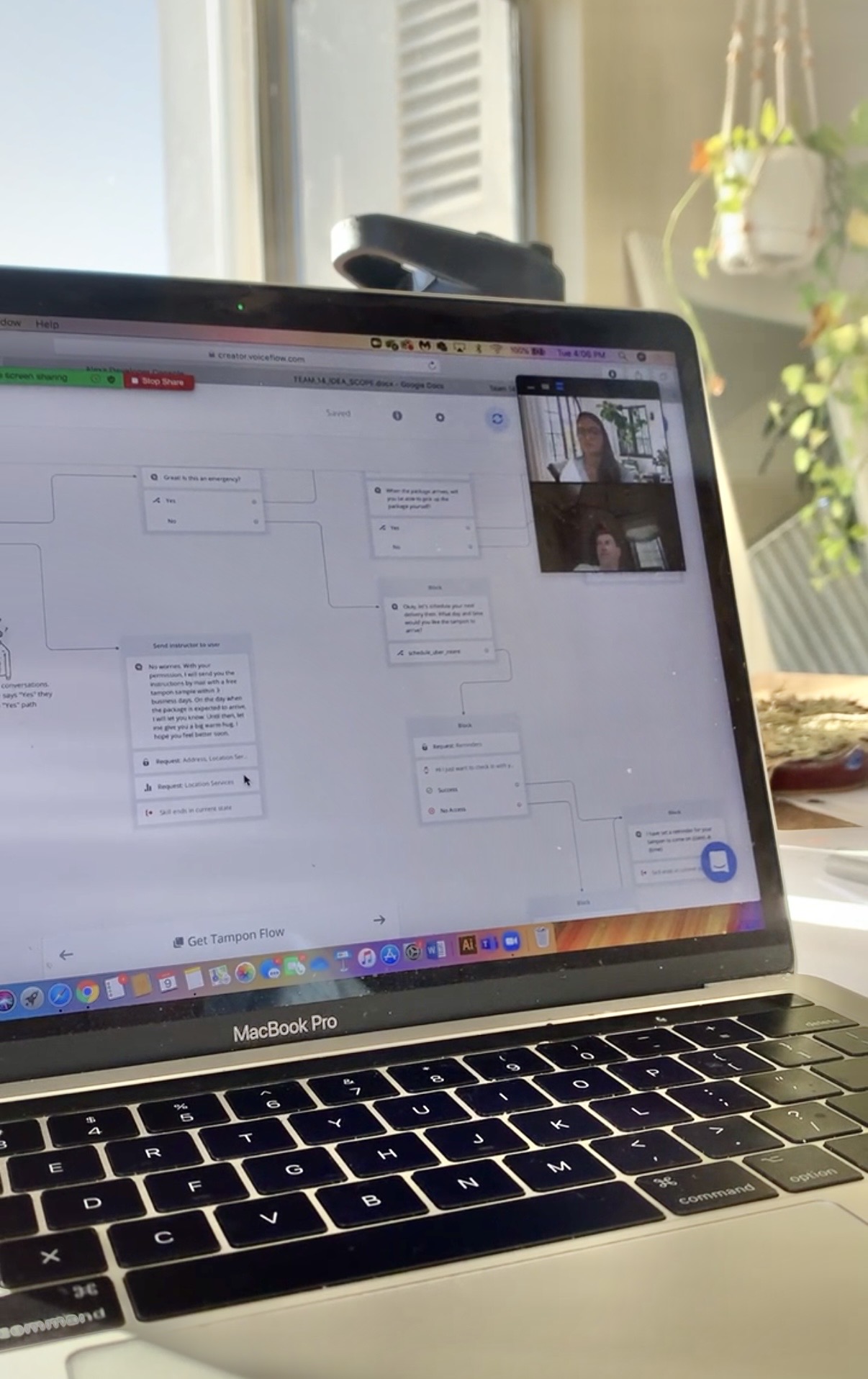
I had the idea. I had the team. I had the architecture on the Miro board. What I did not have was someone technical who could tell me whether what I was proposing would actually work inside an Alexa skill.
Curtis Chambers — former Director of Engineering at Uber, seventh employee — became my mentor before the competition even existed.
I met him at a conference in 2019. We went for coffee. I asked him to mentor me. He said yes.
When I joined the competition and told him what I was building, we had two calls on Zoom. He walked me through:
- How the ride integration could actually work inside an Alexa skill
- The voice flows
- What it would take to make the prototype credible to judges
- What a non-technical founder needed to understand to compete
He was kind. He was patient. He treated me as a founder who understood the problem — not as someone who needed to be protected from the technical complexity.
Uber's founding engineer saw potential in a non-technical founder with a five-week-old prototype and an idea she would not let go of. I placed first globally. He was part of why.
Part 4: The pitch, the moment, and the meeting that became everything after. (April 22, 2021)
Two mentorship calls. A five-week-old prototype. A team I led. A problem I understood in my bones.
It was time to pitch.
The competition itself.
- 46 builders
- 6 countries — Nigeria, Kenya, India, Brazil, Mexico, North America
- One competition
The judges scored on innovation, technical depth, user experience, engagement potential, and direct alignment to a UN Sustainable Development Goal. We had built Glow Up Damas around Goal #5 from week one — not as an afterthought, but as the architecture. Every feature existed because gender equality demanded it.
Glow Up Damas scored across all of it.
The moment they called our name.
AWS Demo Day. Live. Amazon had also brought in a speaker from the United Nations to present alongside the announcement.
I was watching the screen. I did not expect it. When they called our name, I made a small speech. I was so happy I did not know what to say.
The judge who became my mentor.
One of the judges that day was Dr. Silvia Mah — Founder of AdAstra Ventures, Forbes Council Member, angel investor, TED Talks speaker.
She had scored our work. She knew what it meant that a non-technical founder had walked into a global competition and placed first.
After the win, she became my mentor.
That moment — her becoming my mentor — is as important as the win itself. Curtis got me into the pitch. Silvia carried me out of it. Everything that happened in the next five years is downstream of that handoff.
Part 5: What happened after the win. (May 2021 — and why this part is the hardest)
Winning was not the end of the story. It was the beginning of two things happening at the same time — one of them the biggest professional moment of my life, and the other the biggest personal loss.
The press release that started a snowball.
The first thing I asked Dr. Silvia Mah after the win: should I write a press release?
She did not just say yes. She said: I am going to help you with this.
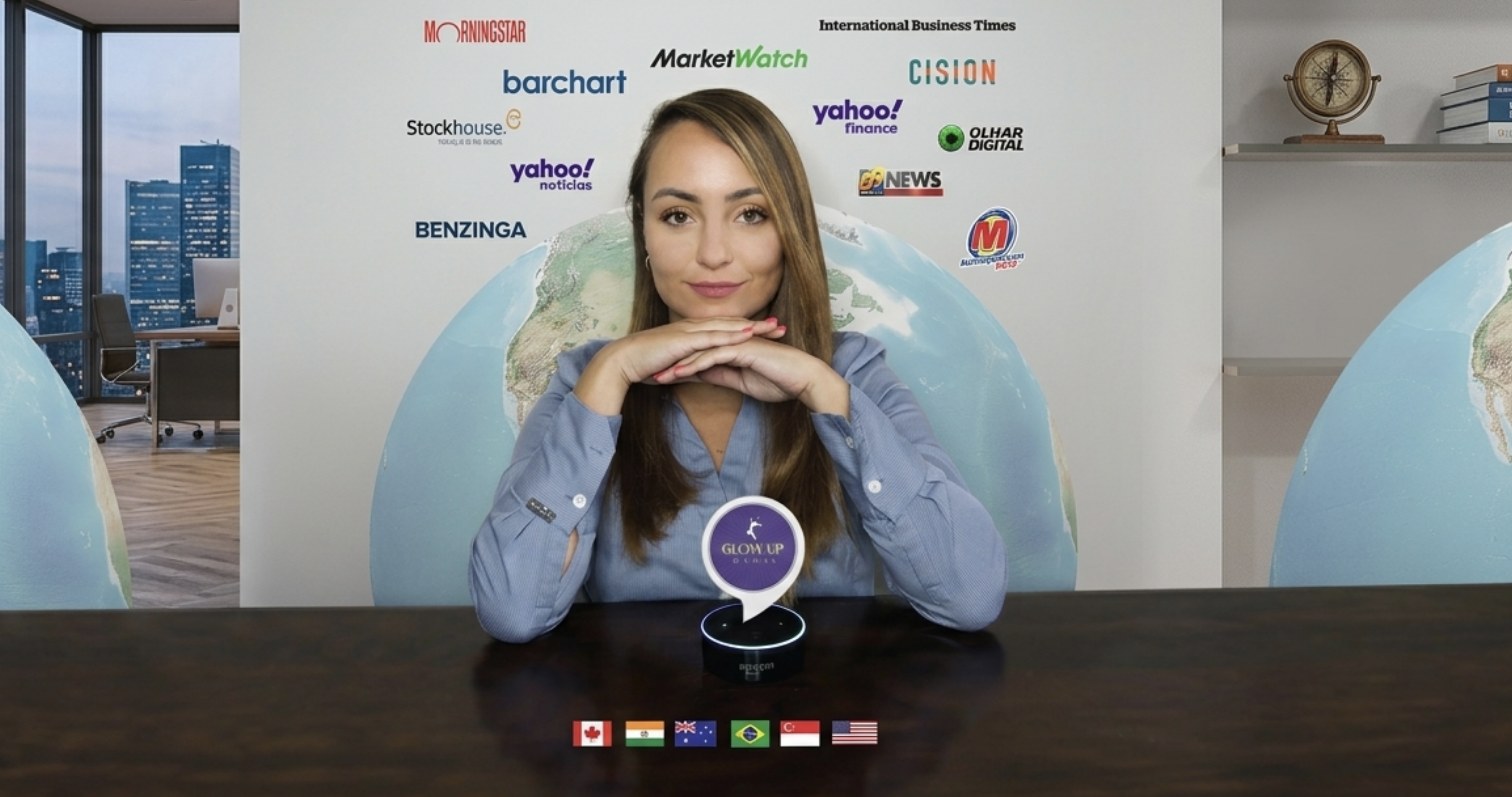
She introduced me to a PR firm — people who had real relationships with journalists. I worked on the press release. The firm sent it out. Journalists got excited.
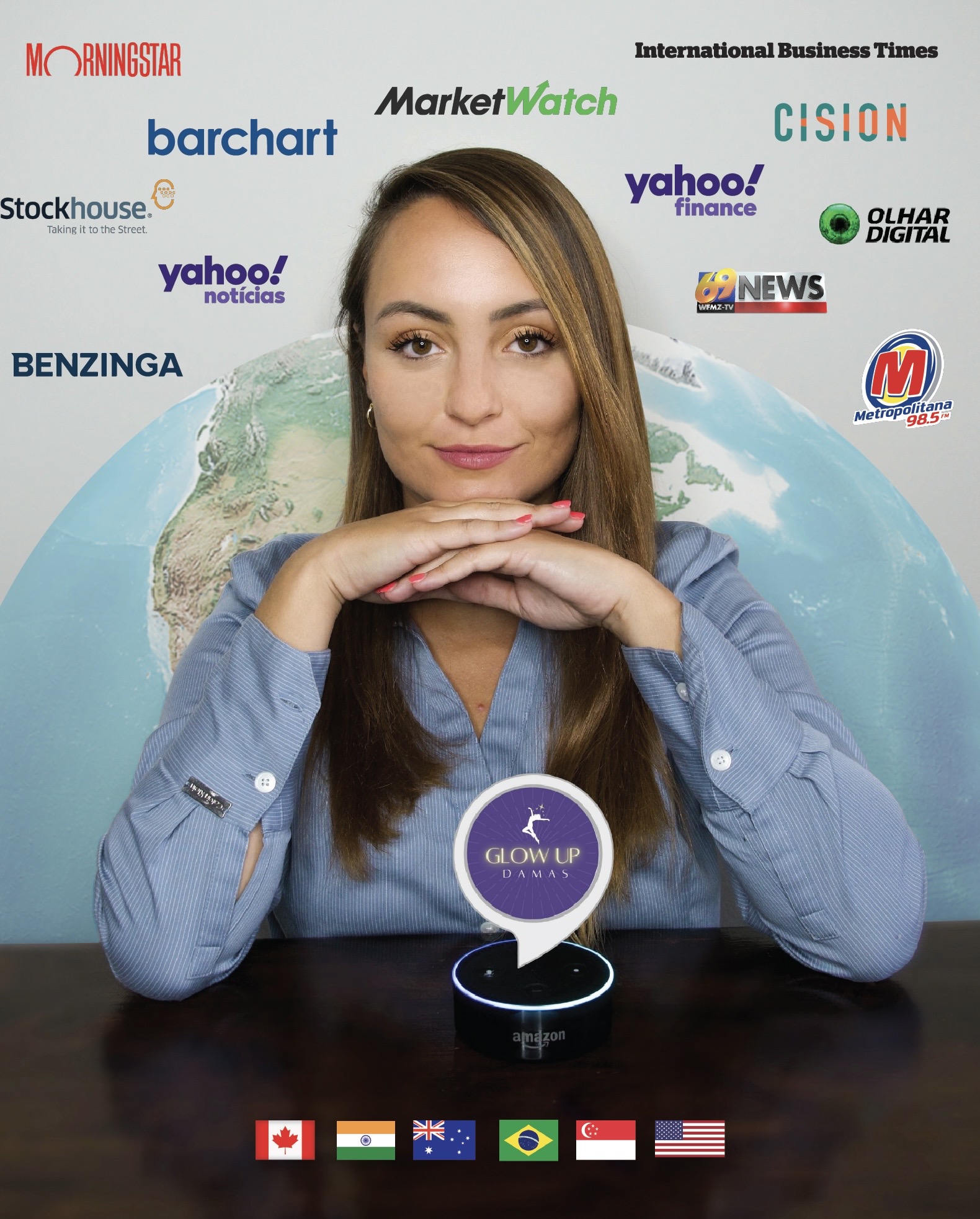
It started publishing at Yahoo News.
And then something happened that nobody plans for.
A snowball.
Other publications picked it up. Then more. All over the world. My father was collecting every link — he was so happy watching it spread. And then he did what my father does: he started making calls to journalists in Brazil. Olhar Digital. Canal Tech. Two of the most respected technology publications in the country. They were interested. They published.
Our local San Diego newspaper picked it up too — not because we sent it to them. The editor saw my posts about the coverage and reached out: send me the press release. I sent it. I did not know which paper it was for. So much was happening at once, I was not tracking it. I just sent it and moved on.
Then came that Saturday. The walk. The newspaper on every front door. My face on the sidewalk of every house on the block.
It ended up being the biggest media coverage I had ever received in my entire life. I still have that newspaper framed in my home.
Forbes reached out. Then everything stopped.
Shortly after, Forbes reached out. A journalist sent me a questionnaire. An interview with Forbes had been on my bucket list for as long as I could remember.
She sent me the questionnaire two days after my father passed.
My father.
My father built computer systems for the government and taught the people around him how to use them. I build AI systems for my own company and teach the people around me how to use them.
Marcos Welsh Carboni spent twenty-nine years building the technology infrastructure of the Tribunal de Contas do Município de São Paulo — the institution that audits the financial accountability of São Paulo's entire city government.
São Paulo is the economic engine of Brazil, driving a significant portion of the country's economy. The city alone has around 12 million people. Can you imagine how many transactions — and how much complexity — run through this court?
He was recruited personally by the tribunal president, Dr. Paulo Planet, to build their technology department from nothing.
Before him: no department. No infrastructure. No digital systems.
He walked in and invented it.
Twenty-nine years. Networks. Database administration. Cybersecurity. He modernized the infrastructure of an institution that served the financial accountability of millions of people. He did not inherit a system. He was hired to create one.
His philosophy:
"Vai com medo mesmo, só vai, enfrenta o medo, do outro lado tem adrenalina e só coisas boas."
Go even if you are scared. Just go. Face the fear. On the other side there is adrenaline and only good things.
When he passed, I found every phone he had ever owned — still in their original packaging. Every game console since the beginning. Preserved. Cared for. He was the kind of person who kept things, because technology was never just tools to him.
May 11, 2021. He went to the hospital. He never came home.
May 17. Induced coma. The borders were closed. I could not cross the ocean in time.
I was in such a dark place I could not get out of bed for a week. I did not answer Forbes. I lost the interview. I lost the momentum on the app. My grief paused that project — and several others — and I am only now, five years later, ready to say that out loud.
I was sad about it for a long time. Ashamed, even — which I know does not make sense, but grief does not make sense.
The app was always a prototype. The win was real. The technology was real. The women it was built for are still out there. Something with those same capabilities — a voice-based support system for women — is something I am working toward again. Five years later. With everything I have built since. The women it was designed for have never stopped being the reason I build.
Part 6: The technical bridge. What we built by hand is what AI does automatically today.
I needed to step back from the grief and look at what we actually built. Five years later, with everything I now know about how modern AI systems work, I can see something I could not see then.
Every component of Glow Up Damas maps directly to what modern AI systems do automatically today:
| What we called it | What AI calls it |
|---|---|
| Utterances — every way a woman might ask for the same thing | Training data for intent recognition |
| Slots — the safe word and phrase the system needed to pull from speech | Entity extraction |
| Dialogs — every conversation turn mapped: she says this, Alexa responds, then this happens | Context management |
| Response templates — exactly what Alexa said in each situation | Output generation |
| Branching logic — emergency or non-emergency? the full decision tree we built by hand | Reasoning layer |
| API integrations — Waymo, Device Address, Reminders, crisis hotline | Tool use — reaching outside the conversation to take real action in the world |
We wrote fifteen different ways to say "I need a tampon" — because a woman in danger might say it any of those ways:
"I got my flow today, I'm so scared."
"I'm having a rough day, I feel so gloomy, lend me the tampon."
"I'm so weary, get me the tampon, please."
"Is the free pad available?"
"I need free tampon ASAP."
"I ran out of tampons, can I have one?"
These are all the same sentence. They all mean: I need help. I am scared. Come get me.
We wrote every version by hand. We taught the machine: regardless of how she says it — this is what she means.
A large language model learns all of that automatically from millions of examples. We did it on a Miro board with sticky notes. But the structure — what we were building — is identical.
When I look at this now, I think: if there had been an LLM at the time, I could have built that entire app in a weekend.
We were not behind the curve. We were building the curve by hand.
Part 7: Five years later. April 22, 2026.
Today, DanielleVantini.com goes live.
Five years of AI firsts — the global win, the agency team I trained, the avatars that generated nearly a million messages, the 27-agent operating system I built from scratch — all of it in one place for the first time.
Every pipeline, every workflow, every system: built the way he would have built it. Understanding every piece. Knowing what each one does. Taking it apart to understand it, and putting it back together to make it run.
And it is the platform for what comes next:
- AI training
- Keynote speaking
- A clear mission: help non-technical leaders stop waiting for permission to lead in the AI era
I did not have a technical background when I started. That was never the point. The point was to go anyway — and then turn around and show everyone else how.
My father built computers from spare parts in Brazil so his friends could afford them and feed their families. I use AI to give non-technical people access to power that was never meant for them. This is not a business. This is a continuation.
If anyone can build a computer wherever he is, it's him.
He passed in 2021. He never saw what came next — the artificial intelligence era. He would have been so fascinated with this technology. But he built the person who did.
Every time I launch something with technology, every person I help with it, every AI system I build — is how I make him proud.
April 22, 2026.
Five years ago today, everything started.
Today, it continues.
The window is open. Right now.
If you are a non-technical founder who thinks AI is not for you — the 2021 version of this story is for you.
Nobody in that competition had an advantage. Forty-six people from around the world, all starting from the same place. I came in with a training I earned and an idea I would not let go of. That is it.
That is still the move.
The Agentic AI era — AI that does not just answer but acts, builds, and executes entire workflows — is just beginning. The gap between the people who are learning now and everyone else is opening faster than any technology shift before it.
I work with founders and business owners who want to build AI into their actual operations — not as a trend, but as infrastructure. That is exactly what I help people build →
Want to understand the full picture of who built me? Read my story →
Want to understand what came two years after this win? Read: How I Trained My Entire Team on ChatGPT in 2023 →
The window is open. Your move.
Frequently Asked Questions
Can a non-technical founder win an AI competition?
Yes. Danielle Vantini won the Global Amazon Alexa Skills Challenge in 2021 with no engineering degree — after completing five weeks of Amazon AWS and Alexa Skills Kit training. Technical background is one path. Learning fast and understanding the problem deeply is another.
What is Glow Up Damas?
Glow Up Damas is a voice-activated safety and wellness app built for women experiencing domestic violence, designed by Danielle Vantini for the Global Amazon Alexa Skills Challenge 2021. It included a covert tampon code that triggered a free Waymo ride to safety — no visible call, no explanation required.
What does the Amazon Alexa Skills Challenge first place win mean?
First place globally in the 2021 EDequity Global Amazon Alexa Skills Challenge, judged against 46 builders from six countries, scored on innovation, technical depth, user experience, and alignment to UN Sustainable Development Goals. Danielle's team won with Glow Up Damas, anchored to UN SDG #5: Gender Equality.
How does Glow Up Damas relate to modern AI?
Every component of the 2021 Glow Up Damas Alexa skill maps directly to what modern AI systems do automatically: utterances = training data for intent recognition, slots = entity extraction, dialog management = context management, branching logic = reasoning layer, API integrations = tool use. Glow Up Damas was building the architecture of modern LLMs by hand.